
What is this?
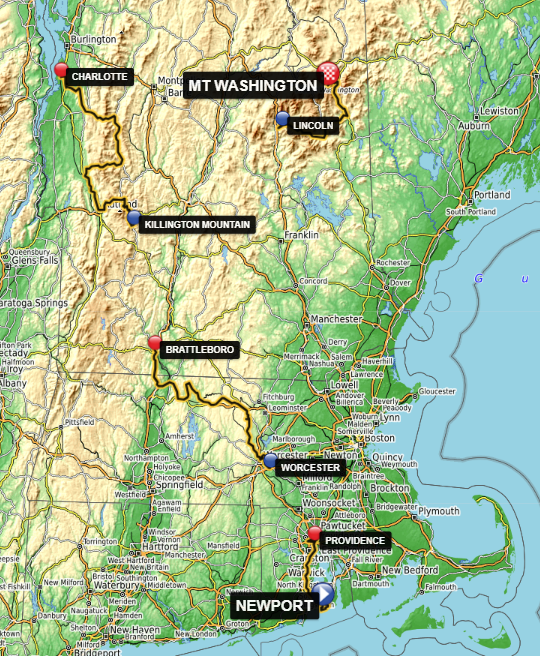
This is my design of the route for a hypothetical cycling race taking place in New England. All the GPX files are at the bottom of the article, and each stage contains a link to the La-Flamme-Rogue profile
Why Cycling?
I am a huge fan of professional cycling. It is the most tactically interesting sport I have ever watched, and thus is is remarkably entertaining.
Cycling is a uniquely fascinating tactical sport, setting it apart from other athletic events like running. Unlike individual sports, cycling is a true team effort, with drafting behind other cyclists forming the basis of its tactical nature. For instance, a breakaway of 5-10 strong riders may launch an attack, challenging the main group of riders, known as the peloton, to reel them back in. The peloton, comprised of teams that may want the race to end in a bunch sprint, must work together strategically to thwart the breakaway riders’ ambitions of winning the stage. Despite having a numerical advantage, the peloton can fall victim to the “bystander effect,” where the sheer number of riders leads to an assumption that someone else will do the necessary work.
In each race, approximately 20 teams fielding 8 riders each compete, with various competitions unfolding within the race. In stage races, which span multiple days, teams can vie for different titles such as the general classification (the total of all stage finishing times, with the lowest time winning), best young rider, King of the Mountains, Intermediate sprints, and the winner of each stage. This array of sub-competitions adds a layer of intrigue, as teams or riders with differing objectives may collaborate for mutual gain or compete against each other despite their divergent aims.
What is this?
Unfortunately, in the past 5 years, two of the biggest stage races in the US, the tour of California and the tour of Utah have closed down. This is unfortunate, as it leaves the Maryland Cycling Classic as the only day of world tour(highest level) cycling racing in the US. Based on this, I wondered what a cycling tour in my home region of New England would be like. I thought there was potential and so I decided to plan a route for this hypothetical cycling race. Although this race is purely hypothetical, I have tried to take some real-world constraints into consideration. I have tried to avoid highway roads that are much more difficult to shut down. I have also scheduled the race such that the only stage primarily in a city takes place on a Sunday when road closures are easier.
The Tour of New England
The tour of New England is a 4-day stage race that will feature an exciting profile while showcasing the world-class beauty of New England in the fall. Situated on the calendar from the Sun-Wed before the Canadian classics(following Friday and Sunday), it should entice teams to bring rosters of punchers and medium mountain specialists.
Race Composition
Stage 1: Short stage, 3 laps around city circuit
Stage 2: 3 Category 3 hills on the way to a slightly uphill sprint
Stage 3: Medium Mountain Barrage
Stage 4: An early Category 2 kicker and a long valley before an HC test with bonus seconds
Jerseys
GC-Red Jersey
Scoring: Normal GC Scoring, Bonus seconds(10-6-4) only available on the top of final summit finish(stage 4).
Jersey: Red, for the original flag of New England.

Punch Competition
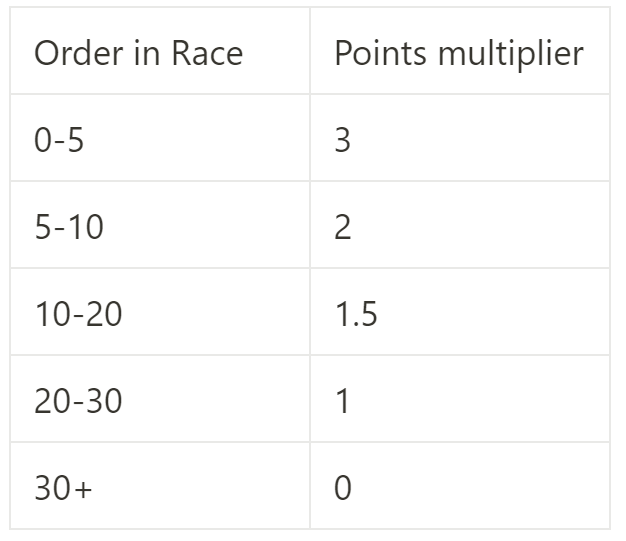
Scoring: A competition unique to the Tour of NE. At each climb, there will be a timing gate at the bottom and the top. For every climb, the 20 fastest riders on that segment will receive points (1-20), which will then be multiplied by a factor based on their order within the race at the top of the climb. All climbs count for this competition equally.
Jersey: Yellow, to evoke the “don’t tread on me” image that was a rallying cry in America’s fight for independence.

Intermediate Sprints-Purple Jersey
Scoring: Normal sprint classification, points at the intermediate sprints and at the end of each flat stage(stages 1 and 2).
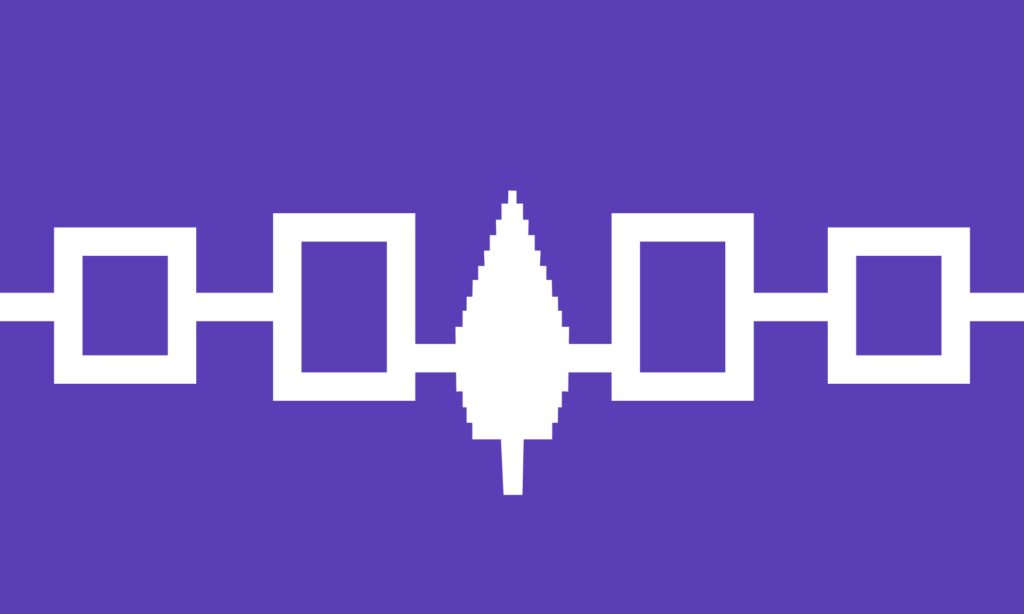
Jersey: Purple, in homage to the flag of the Iroquois Confederacy, one of the great civilizations that originally lived on this land.
King of the Mountains-Half White/Half Green Jersey
Scoring: A classic KOM competition with points awarded at the top of categorized climbs. No extra points for summit finishes. Mountain categorization roughly mirrors UCI guidelines/TdF
Jersey: A green and white striped jersey for the Green Mountains and white mountains, the two largest ranges in New England, visited on stages 3 and 4.

Stage 1-Newport(RI) to Providence(RI)
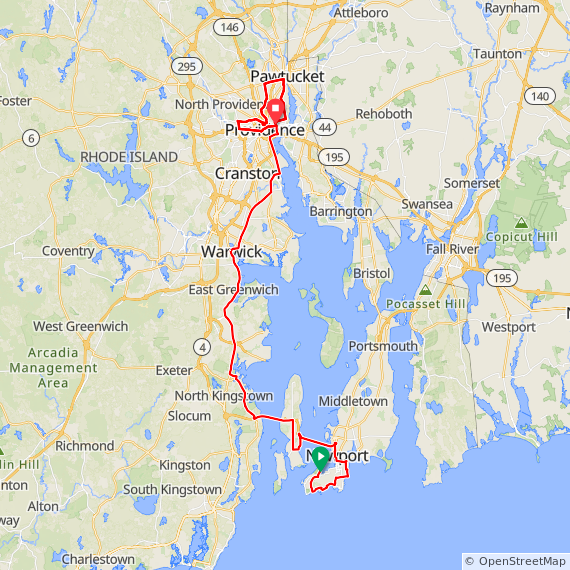
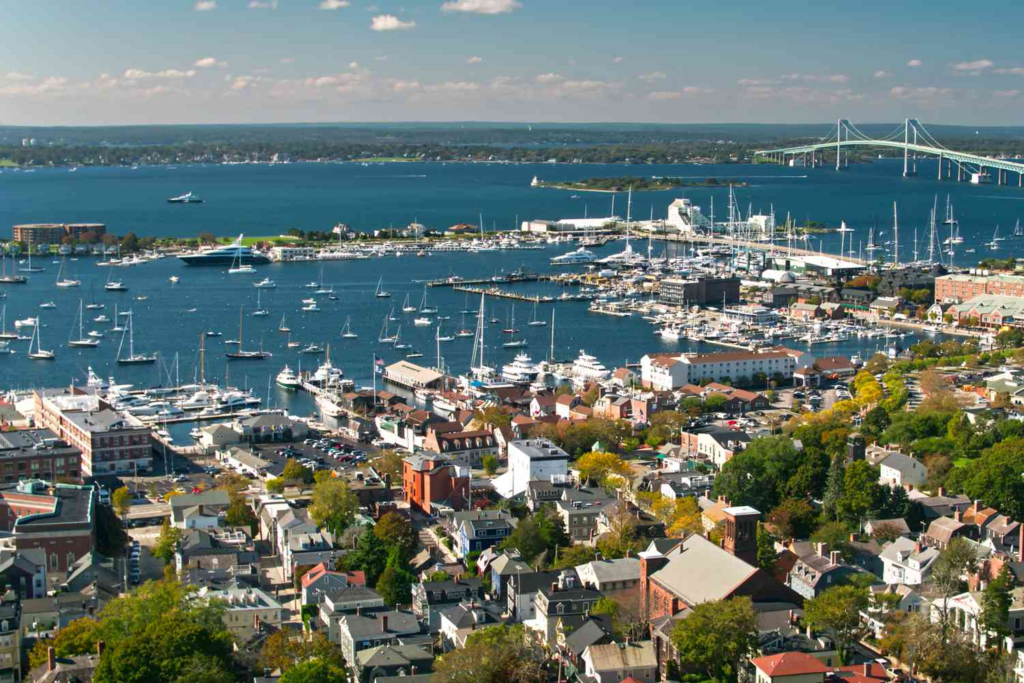
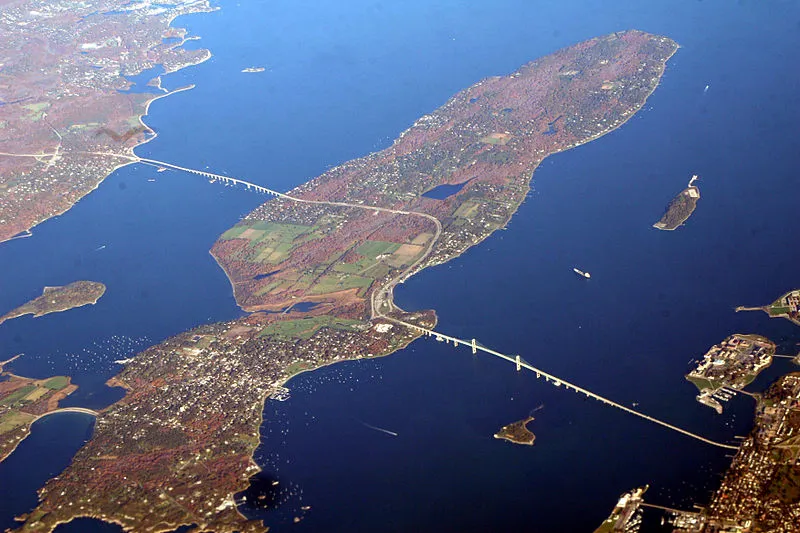
To start the race off, riders will leave from scenic Newport, rolling past Gilded Age mansions, huge yachts, and the Tennis Hall of Fame. They will then pass over Narragansett Bay via two bridges, taking a detour in the middle for an intermediate sprint.
After 70ks of racing, they will enter Providence, the Capital city of Rhode Island, to complete 3 laps of a 23k circuit around Providence, including 3 descents of the 10% hill in front of Brown University, where the students will be out in force to cheer on the riders. In each lap, there is one Cat 4 climb, and the race will finish on a 3% uphill drag, meaning the race could be split apart by teams looking to expose pure sprinters.
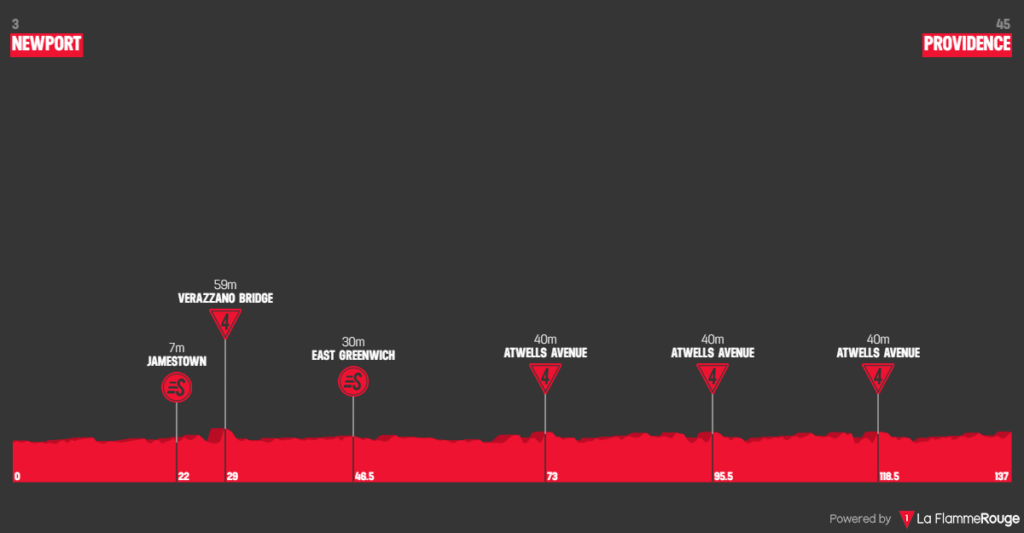
Length: 138k
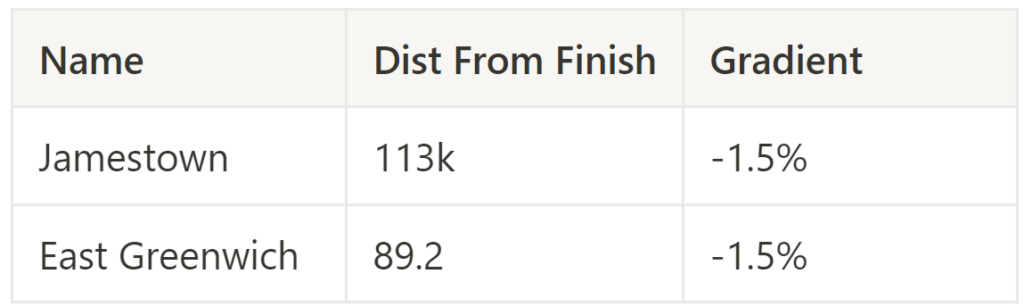
Sprints:
Climbs
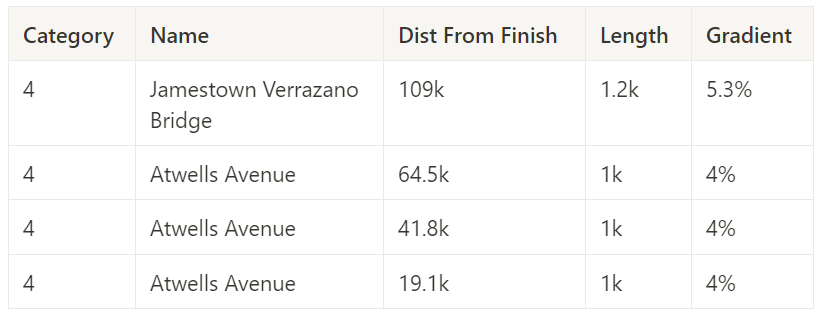
Finish: Last corner is 1.5k from the finish, 3% uphill.
Stage 2-Worcester(MA) to Brattleboro(VT)
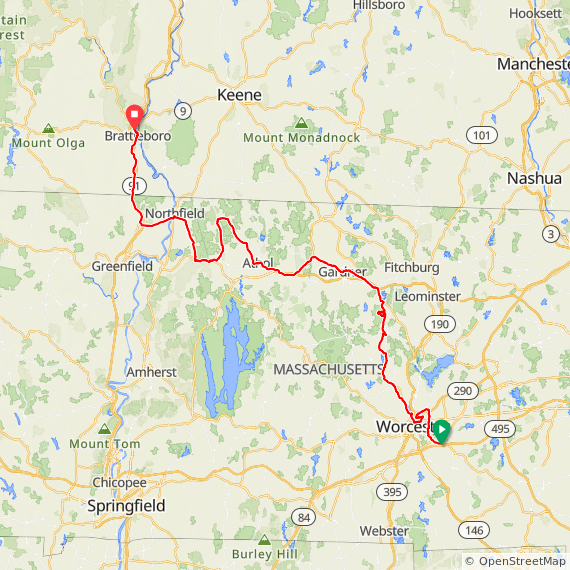
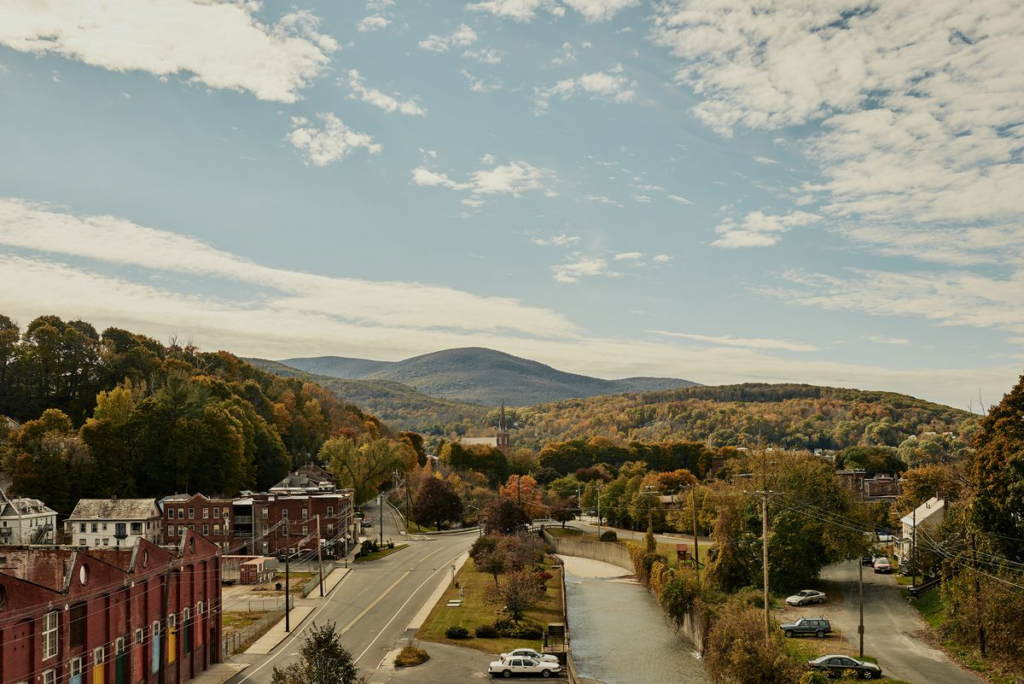
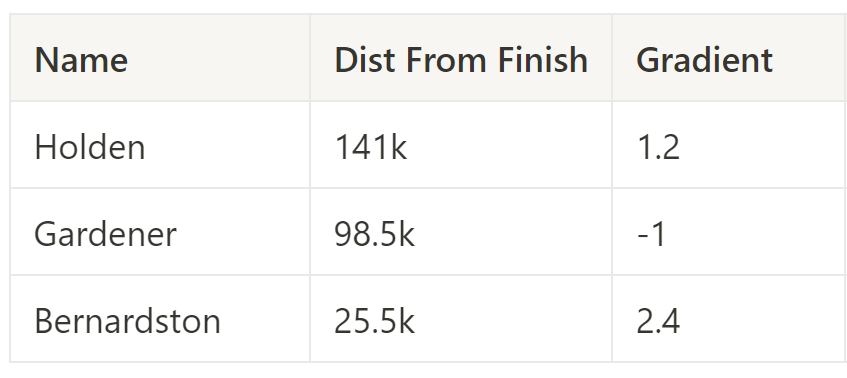
Starting in the industrial city of Worcester, this stage will have chances for a breakaway, but if teams can work together a sprint is likely. Leaving Worcester, the race heads into the hills northwest, featuring 3 category 3 climbs where new leaders in the KOM and Punch jerseys could be crowned. Crossing into the state of Vermont, the race will get a first introduction to the charm of the small towns of northern New England. The finish in Brattleboro will be a fast one slightly downhill in the lead-up to the final kilometer.
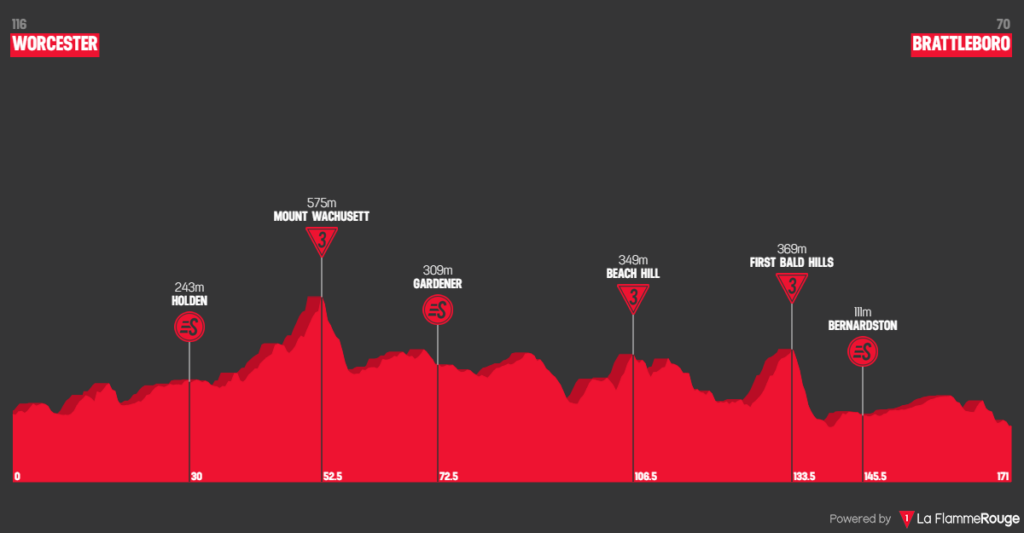
Length: 171km
Sprints:
Cimbs:
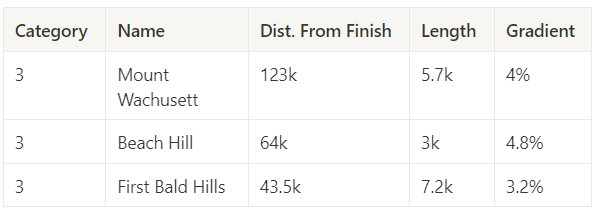
Finish: Final km 2% downhill(final 300 meters is false flat uphill), last turn 2km from the finish.
Stage 3-Killington Mountain(VT)-Charlotte(VT)
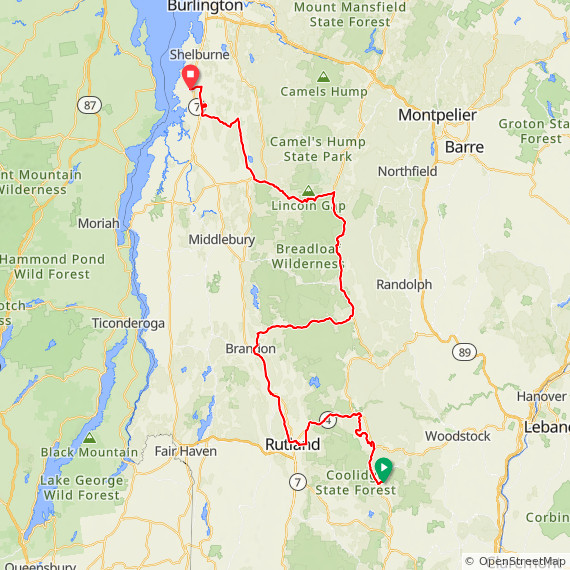
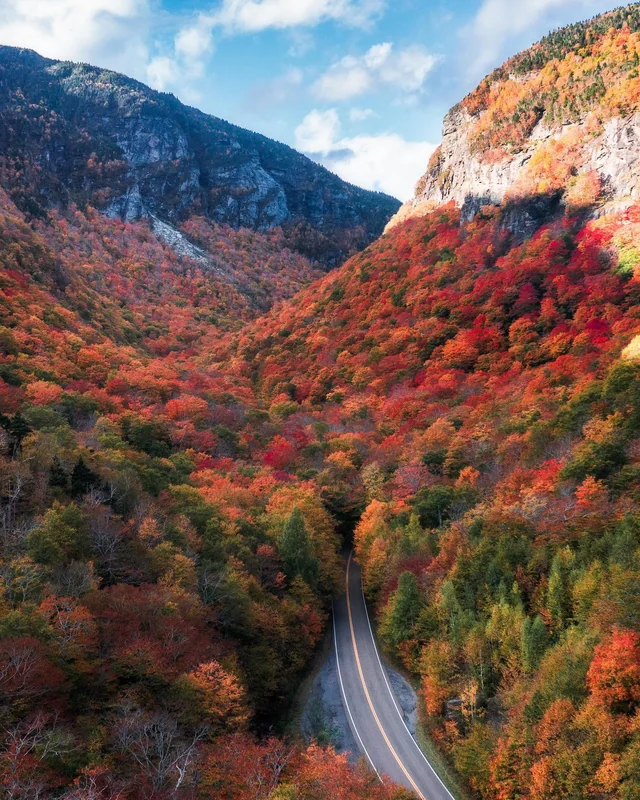
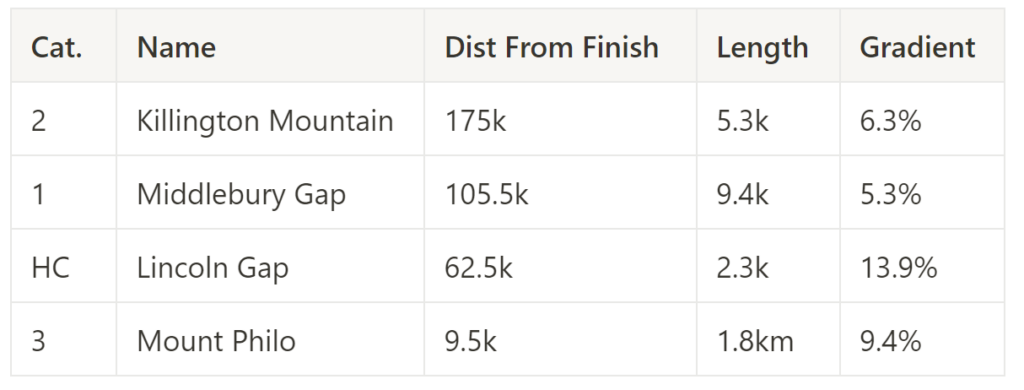
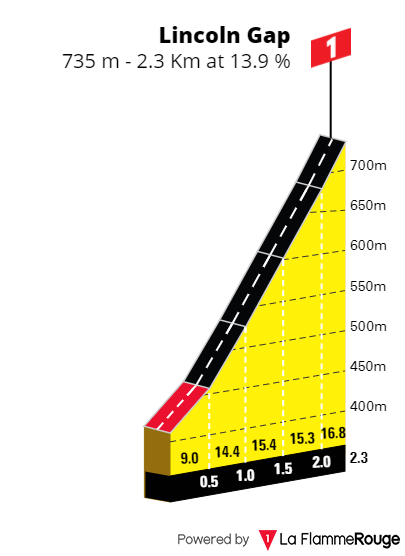
The Queen stage. The riders will be immersed in the majesty of fall in New England as the race cruelly has the riders crisscross back and forth across the green mountains. However, many riders may not have time to admire the scenery as they fight across 4 categorized climbs, including one of the steepest paved miles in the continental US, the Lincoln Gap, where the last 2.5km is at 16-18% sustained gradient. No climb on this stage is over 8km, but many are steep and offer opportunities for breakaway and GC riders to split the race. Additionally, the 2 long valleys in between the climbs should incentivize GC teams to send helpers into the breakaway. The finish is 5km after the final kicker(Mt. Philo) giving any riders who have energy remaining a place to make the decisive move.
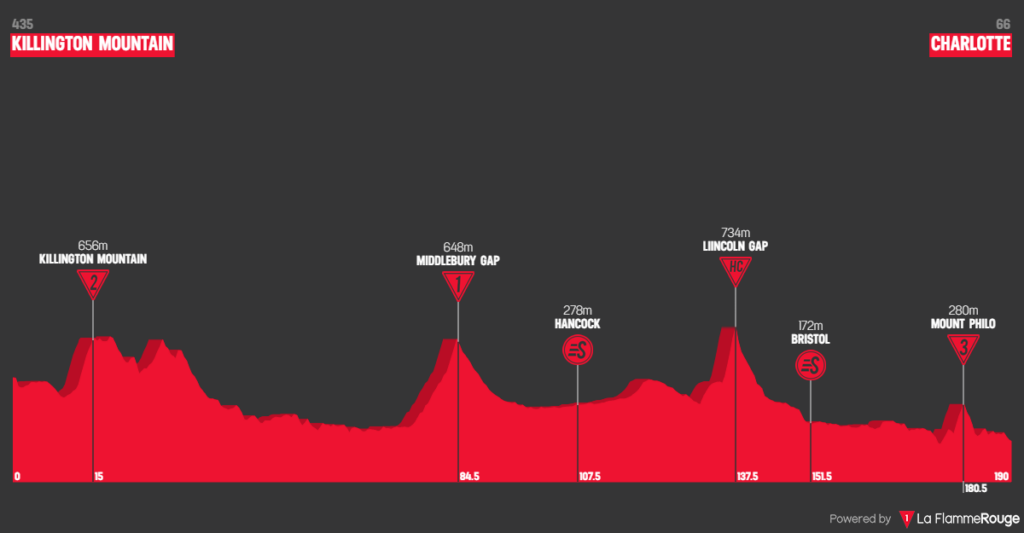
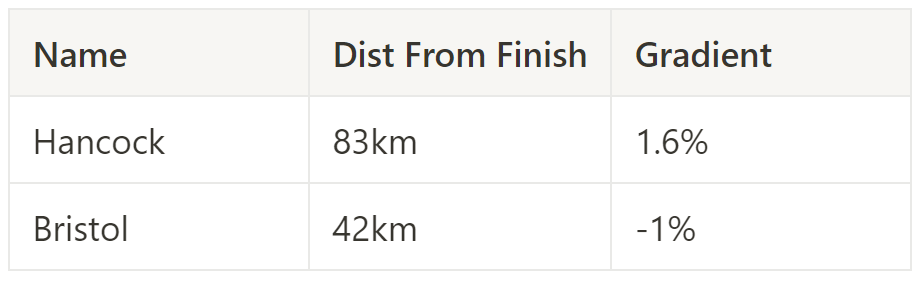
Sprints:
Climbs:
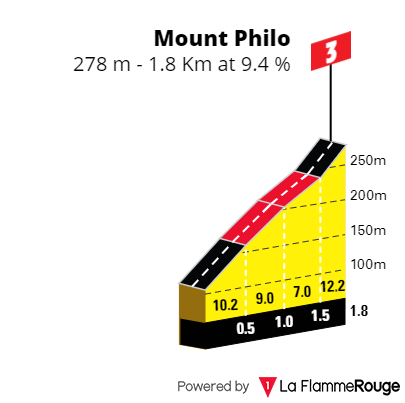
Finish: Last turn 2km from finish, flat/slightly downhill finish.
Stage 4-Lincoln(NH)-Mount Washington(NH)
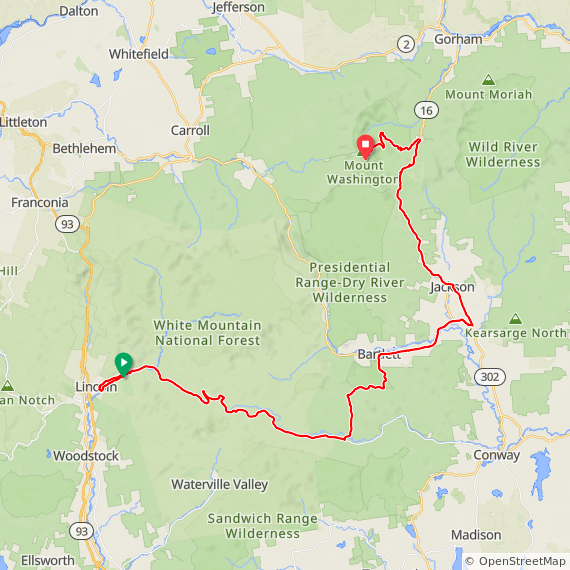
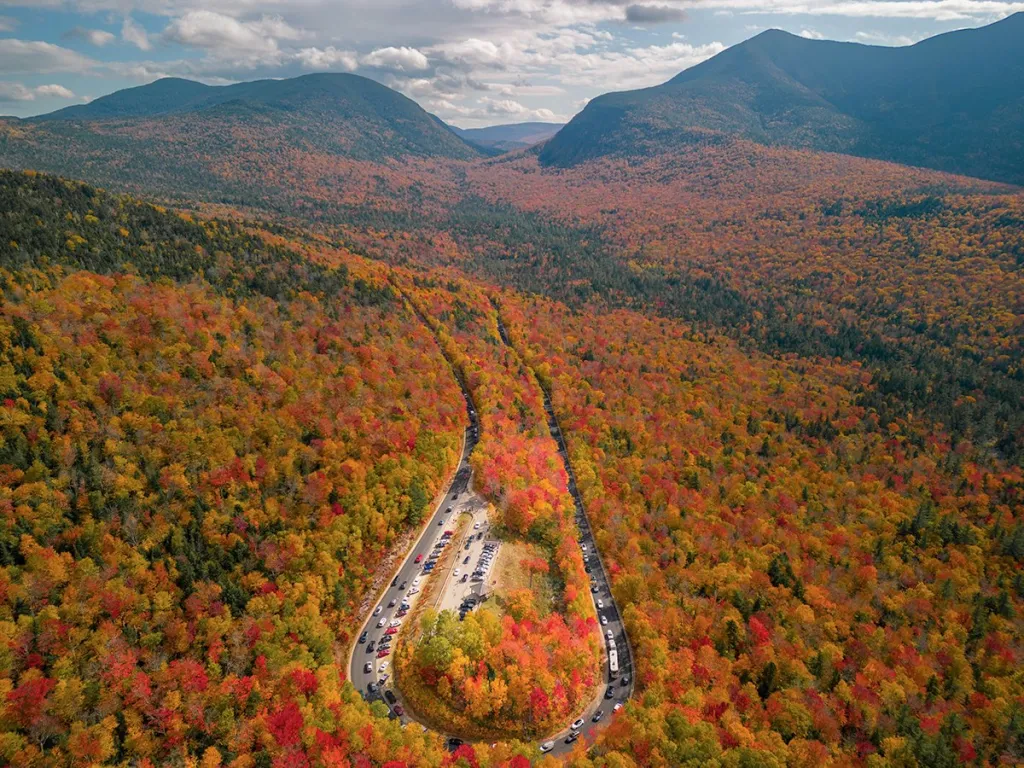
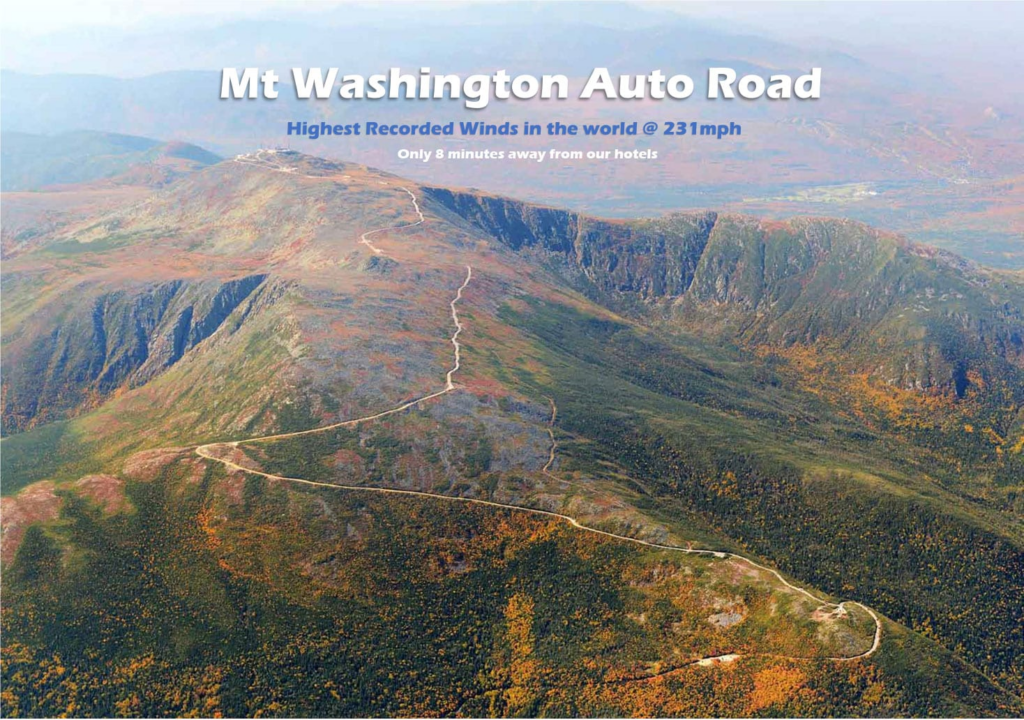
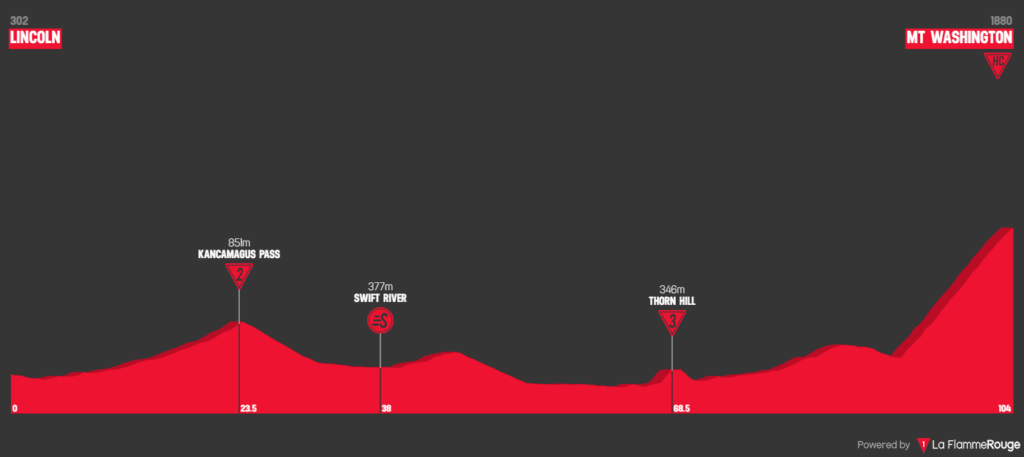
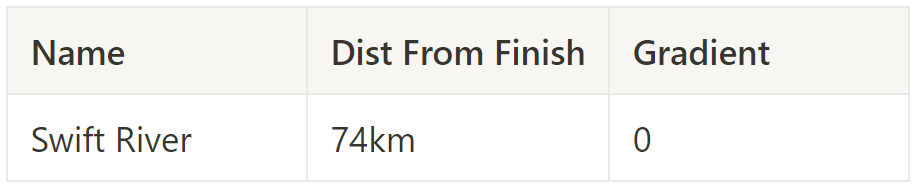
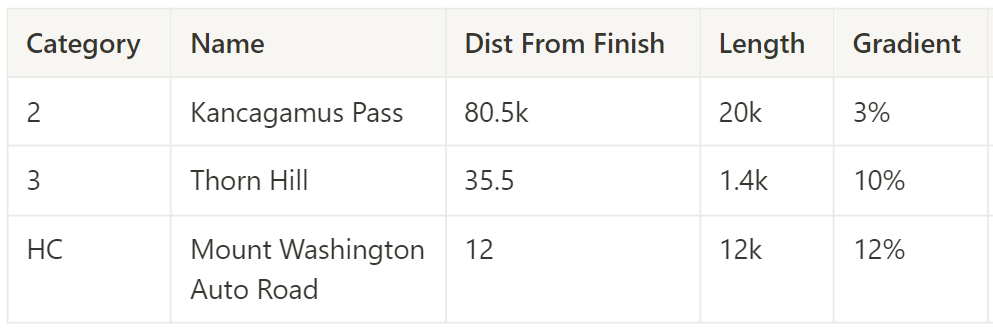
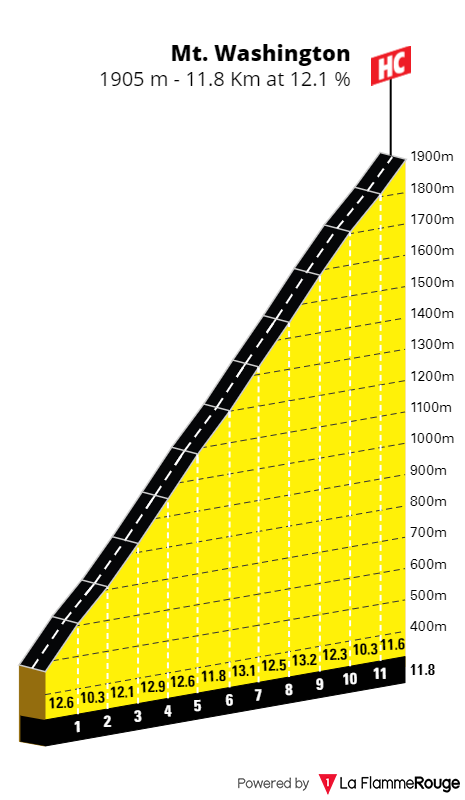
While this stage is not the Queen stage, it will also be a brutal test. We leave the Green Mountains of stage 3 for the presidential range of the White Mountains. Starting in the ski town of Lincoln, NH, the riders will embrace their role as “leaf-peeping” tourists and follow the Kancamagus Highway east. After the category 2 hill, a long valley awaits before the uphill HC finish, which could provide opportunities for GC contenders with teammates to split the race on the first climb and use their domestiques on the valley afterward. This stage features an uphill finish to Mount Washington, the highest peak east of the Mississippi and once the location of the highest wind speed on earth(372 km/h!!). Over eons, the ripping winds have turned this mountain into a perfect slope-with a steady gradient of 12km at 12%, finishing at 2000 meters, there will be nowhere to hide. With the tough climb and 10/6/4 bonus seconds up for grabs the general classification should be decided on this climb. If the right riders show up to this race, there is little chance of the breakaway winning outright, but clever outside favorites and mountain domestiques will try to go with the break to get a headstart on the main contenders.
Sprints:
Climbs:
Finish: atop Mount Washington.